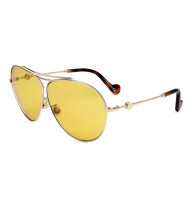
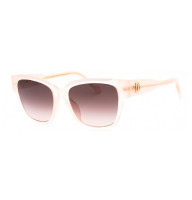
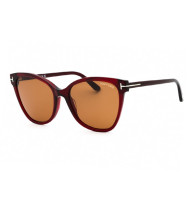
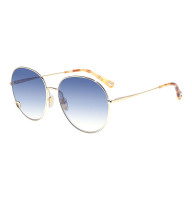
Sunglasses are a staple accessory for many people, offering protection against harsh sunlight while representing individual style.
However, while sunglasses do keep your eyes safe from harmful UV rays — and the health issues they may cause — wearing them 24/7 might not be as beneficial as you think.
In this blog, we’ll explore the drawbacks of constantly wearing sunglasses, highlight some not-so-great times to wear sunglasses, and share tips for choosing the right sunglasses for the right time.
The Potential Downsides of Wearing Sunglasses Too Often
There’s no doubt that sunglasses play a key role in protecting your eyes, but there are several drawbacks to wearing them too often.
Reduced Natural Light Exposure
When you wear sunglasses too often — especially in moderate light conditions where they aren’t totally necessary — you risk interfering with your body’s sleep/wake cycle, which could lead to sleep disturbances and tiredness.
Weakened Eye Adaptability
Your pupils naturally adjust to different lighting conditions, helping you see in various environments. However, when you wear sunglasses too often, your eyes may become overly dependent on tinted lenses and have trouble adapting naturally.
Increased Light Sensitivity
Wearing sunglasses too often can make your eyes more sensitive to natural light. That means that, when you do take off your sunglasses, even moderate light levels may feel too bright, causing discomfort and strain.
Distorted Color Perception
Some sunglasses have tinted lenses that can distort colors. When you wear sunglasses too often — especially color-distorting ones — you may struggle to do things that require accurate color perception like driving, sports, or certain jobs.
4 Situations When Wearing Sunglasses Isn’t Ideal
Considering the potential drawbacks of wearing sunglasses too often, you may wonder how to tell when sunglasses are a good idea and when they’re not.
Here are four conditions and situations that aren’t ideal for wearing sunglasses to help you know when to leave them off.
1. In Low-Light Conditions — Wearing sunglasses on cloudy days or in dim environments can reduce visibility and strain your eyes.
2. While Driving at Night or in Tunnels — Sunglasses can impair your ability to see (and drive!) in dark or low-light conditions.
3. During Certain Sports and Activities — Some sports and activities require more visibility than sunglasses can offer (like golf).
4. When Your Eyes Need Natural Light — In less sunny conditions, taking your sunglasses off occasionally is a good way to let your eyes adjust.
Health Risks Associated With Sunglasses
While sunglasses are usually designed to protect your eyes, certain sunglasses can actually contribute to health issues. Here are a few of the risks associated with wearing sub-par quality sunglasses:
Photokeratitis — If your sunglasses aren’t offering appropriate UV protection and you wear them all the time, you can develop photokeratitis, a sunburn-like condition.
Pinguecula and pterygium — Sunglasses that don’t offer maximum UV protection can also cause pinguecula and pterygium, two conditions that impact your conjunctiva.
Squamous cell carcinoma — Excess sun exposure can put you at risk of all types of skin cancer, and the skin around your eyes is no exception!
Balancing Eye Protection With Natural Light Exposure
So, is the solution to wearing sunglasses too often never wearing them at all? Not quite! The key is to balance protecting your eyes and allowing yourself natural light exposure.
Here’s a list of times you should wear sunglasses (and times that aren’t necessary) to help you find that balance.
When to Wear Sunglasses
• While driving in bright conditions to reduce glare and improve visibility
• At high altitudes or near water and snow, where UV reflection is more intense
• During sun exposure, especially between 10 AM and 4 PM when UV rays are strongest
When to Avoid Sunglasses
• While indoors or in low-light environments
• In early morning/late afternoon light so your body can regulate its sleep/wake cycle
• While participating in activities that require full visual clarity like golfing or reading greens
Choosing the Right Sunglasses
If you want to wear sunglasses but avoid the downsides, consider the following tips:
• Choose transition lenses that adapt to different light conditions
• Opt for lenses with 100% UV protection rather than just dark tint
• Use polarized lenses to reduce glare without over-tinting your vision
• Give your eyes regular breaks from sunglasses to maintain natural adaptability
Wrap Up
Sunglasses can help protect your eyes, but wearing them constantly isn’t necessary or always good for you. By understanding which conditions require sunglasses and which ones don’t, you can maintain healthy vision while still enjoying the benefits (and style!) of sunglasses.
And remember: if you’re wearing sunglasses often, make sure they’re actually providing the protection you want (and need) them to be!